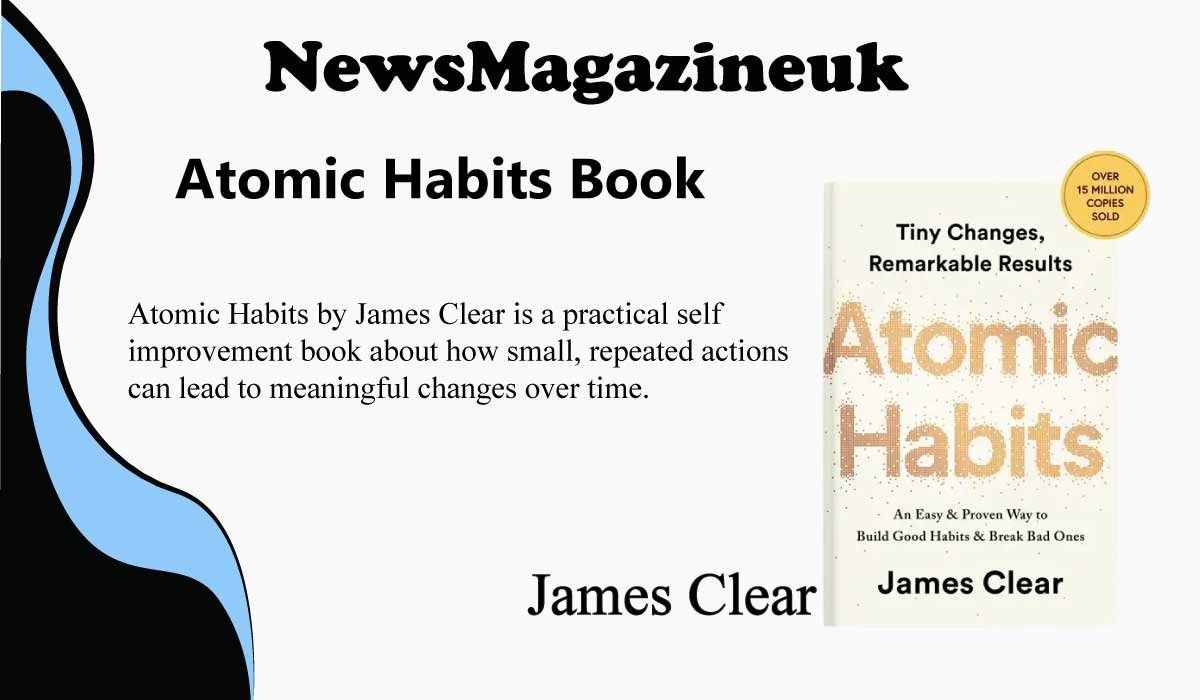
Atomic Habits by James Clear is a practical self improvement book about how small, repeated actions can lead to meaningful changes over time. Rather than relying on motivation alone, Clear explains how habits develop and how people can make good routines easier to follow while making unwanted behaviours less convenient. The book is useful for readers who want to improve their productivity, health routines, learning, or personal discipline. Its central message is simple: lasting progress often begins with small changes repeated consistently.
Atomic Habits Book
| Detail | Information |
|---|---|
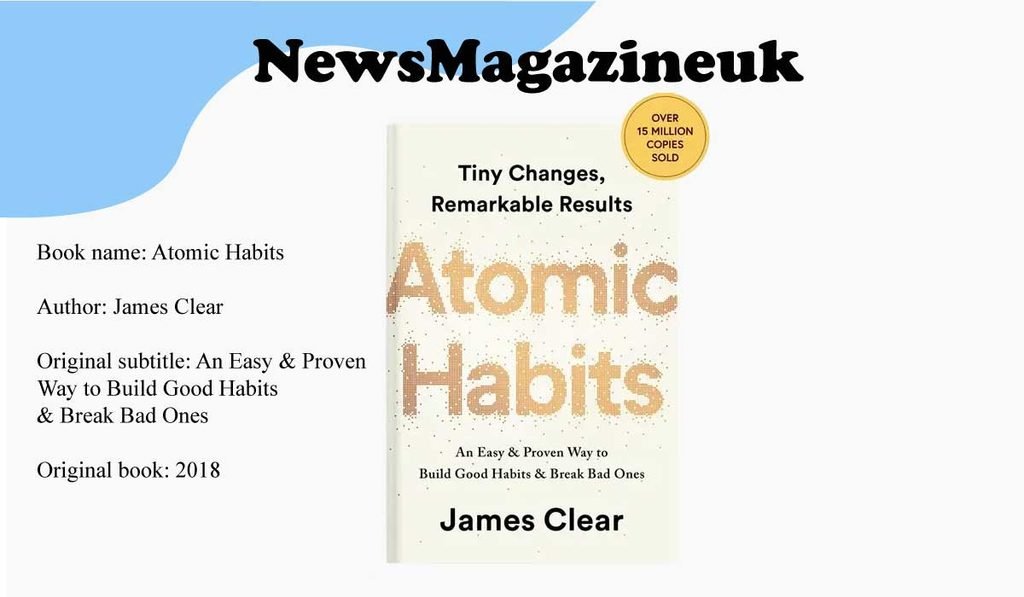
| Book Title | Atomic Habits |
| Author | James Clear |
| Year Published | 2018 |
| Publisher | Avery |
| Genre | Self-help, personal development, habit formation |
| Approximate Pages | 320 pages, depending on edition. More Books |
Atomic Habits Read Book
Atomic Habits by James Clear by FriendlyarmMini
Short Summary
Atomic Habits explores how everyday behaviours shape long-term results. James Clear argues that people often focus too heavily on ambitious goals while overlooking the small systems and routines that help them make progress. A goal can provide direction, but the habits repeated along the way influence whether progress continues.
One of the book’s central ideas is that small improvements can compound over time. A single action may appear insignificant, but repeating it consistently can gradually change a person’s skills, routines, and results. This does not mean that every small action guarantees success; rather, repeated behaviour can create a stronger foundation for improvement.
Clear also discusses the relationship between habits and identity. Instead of concentrating only on what someone wants to achieve, he encourages readers to consider the kind of person they want to become. For example, someone who wants to read more can begin building the identity of a reader by reading a few pages regularly.
Another important part of the book is the Four Laws of Behaviour Change. These provide a framework for creating better habits: make them obvious, attractive, easy, and satisfying. To break an unwanted habit, Clear recommends reversing these principles by making it invisible, unattractive, difficult, and unsatisfying.
The book also explains why environment matters. People do not make decisions in isolation; the cues and surroundings they encounter can influence what they do. By arranging their environment thoughtfully, readers can reduce friction around helpful routines and make unwanted behaviours less convenient.
Overall, Atomic Habits presents habit formation as a practical process rather than a test of willpower alone. Its emphasis is on building repeatable systems, making small adjustments, and allowing consistent actions to support long-term change.
5 Key Lessons from Atomic Habits
1. Small Changes Can Lead to Lasting Progress
Clear emphasises the value of small improvements repeated over time. People often expect dramatic results quickly, but meaningful change may develop gradually. A modest action becomes more useful when it is repeated and supported by a routine.
Example scenario (imagined): A student wants to improve their English writing. Instead of trying to study for three hours every evening, they spend ten minutes writing a short paragraph each day. Over time, this routine gives them regular practice and a way to notice their progress.
2. Focus on Systems Not Just Goals
Goals describe the results someone wants, while systems are the processes they use to work towards those results. Clear encourages readers to pay attention to their daily routines rather than relying entirely on a distant target.
Example scenario (imagined): Someone wants to become more organised at work. They could focus only on finishing a long list of tasks, or they could create a simple routine of planning the next day’s priorities before leaving the office. The routine makes organisation part of their working day.
3. Build Habits Around the Person You Want to Become
The book connects habit formation with identity. Instead of viewing a habit only as a task to complete, readers can use repeated actions to reinforce the kind of person they want to be. Small actions can provide evidence of that identity over time.
Example scenario (imagined): A person wants to see themselves as someone who reads regularly. They begin by reading a few pages each night rather than setting an ambitious monthly target. Each session helps them practise the behaviour associated with being a regular reader.
4. Make Good Habits Obvious Attractive Easy and Satisfying
The Four Laws of Behaviour Change form one of the book’s most practical frameworks. Clear suggests making a desired behaviour visible, appealing, straightforward to start and rewarding enough to encourage repetition. These principles can help people design routines around their actual surroundings.
Example scenario (imagined): Someone wants to practise guitar more often. They leave the instrument in a convenient place, choose songs they enjoy, begin with a short practice session and keep track of completed sessions. These changes make starting easier and provide a visible sense of progress.
5. Use Your Environment to Support Better Behaviour
Clear explains that the environment can influence habits by providing cues for particular actions. Rather than expecting willpower to overcome every distraction, readers can adjust their surroundings to make preferred behaviours easier to choose.
Example scenario (imagined): A person frequently checks their phone while studying. They put it in another room and keep their notes open on the desk before starting. This does not guarantee complete concentration, but it removes an obvious distraction and makes beginning the study session easier.
What I Liked
What I appreciate most about Atomic Habits is its practical approach to personal improvement. The focus on small actions makes habit formation feel more manageable than attempting to change everything at once. I also like the distinction between goals and systems because it encourages readers to think about what they actually do each day, rather than simply imagining the result they want.
The Four Laws of Behaviour Change are another strong feature. They offer a straightforward way to examine why a routine might be difficult to maintain and what could make it easier. I find the connection between habits and identity particularly useful because it shifts the focus from completing an isolated task to developing a behaviour that can become part of everyday life.
What Could Be Better
One limitation is that the book’s central ideas can feel repetitive to some readers. Repetition helps reinforce the main framework, but readers who understand the principles early may find that later explanations cover familiar ground. I would have preferred a tighter presentation in some places, with more space devoted to applying the ideas in different circumstances.
I also think readers should recognise that changing habits is not always as simple as redesigning a routine. Work pressures, family responsibilities, limited resources and other circumstances can affect how much control someone has over their daily environment. The book provides a useful framework for personal behaviour, but readers may need to adapt its suggestions to their individual situations rather than treating them as universal solutions.
Who Should Read This Book And Who Should Skip It
Atomic Habits is well suited to people who want to establish more consistent routines, reduce distractions or make steady progress towards personal goals. Students, professionals, writers, athletes and readers interested in self-improvement may find its practical structure useful. It is particularly suitable for beginners who want a clear introduction to habit formation without an overly academic presentation.
It may be less appealing to readers who already know the main ideas behind habit-building books or prefer detailed academic discussions of behavioural science. People looking for a quick solution to complex personal difficulties may also find its approach too limited on its own. The book is best treated as a practical guide to experimenting with routines, not a guarantee that every habit will be easy to change.
Similar Books You May Like
- The Power of Habit by Charles Duhigg Explores how habits work and how patterns of behaviour can change.
- Tiny Habits by BJ Fogg Focuses on starting small and designing behaviours that are easier to maintain.
- The 7 Habits of Highly Effective People by Stephen R. Covey Covers personal effectiveness, priorities, relationships and long-term development.
FAQs
Q1. What is Atomic Habits about?
Atomic Habits explains how small, repeated behaviours can support long-term personal change. James Clear presents practical methods for building helpful habits and making unwanted ones harder to maintain.
Q2. What are the Four Laws of Behaviour Change?
The four laws are to make a habit obvious, attractive, easy and satisfying. Clear presents them as a framework for creating habits, with reversed principles for making unwanted behaviours less likely.
Q3. Who should read Atomic Habits?
The book is useful for people who want to improve their routines, consistency, productivity or personal discipline. It can be especially helpful for readers who prefer practical steps over abstract advice.
Q4. Is Atomic Habits worth reading?
Yes, it is worth considering if you want a structured approach to building habits. Its value depends on how well you apply its ideas to your own circumstances and whether you are already familiar with similar books.
Final Verdict
Atomic Habits is a clear, practical guide to building better routines through small actions, thoughtful systems and changes to the surrounding environment. Its strongest contribution is turning the broad idea of personal improvement into manageable steps readers can try in everyday life. Although some concepts may feel repetitive and individual circumstances can make change difficult, the book remains a useful starting point for anyone who wants to become more consistent.